
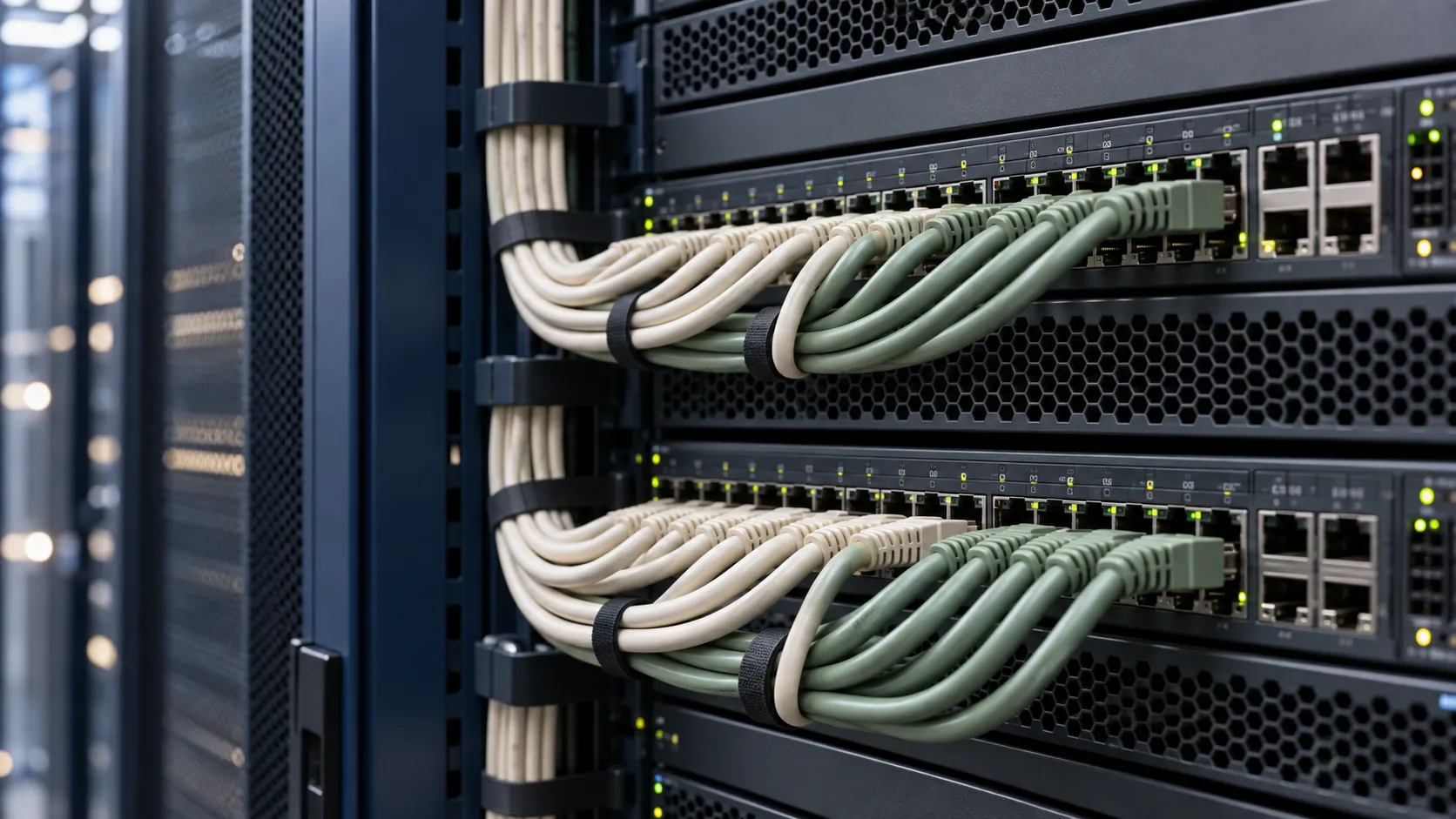
A video meeting drops just as a proposal is being presented. A warehouse application slows down at the busiest hour. A team blames its software when the underlying issue is an unstable connection. Network problems rarely arrive with a clear explanation, but their impact is visible in the work that stops.
Reliable business networks need more than a fast internet package. They require a clear view of devices, locations, applications and support responsibilities. The right design depends on how the organisation actually works.
Map the business activity before choosing equipment
Begin with the activities that depend on connectivity. List the offices, remote workers, shared applications, meeting rooms and business devices. Identify which workflows can tolerate a short interruption and which would create immediate operational difficulty.
A company using cloud applications throughout the day has different needs from a site that also runs local servers or production equipment. Building materials, floor layouts and device density affect wireless planning. Supplier connections and remote access add further considerations.
This assessment turns “we need better Wi-Fi” into a more useful brief: reliable coverage in specific areas, capacity for concurrent users, controlled guest access and a documented route for support.
Separate traffic for a reason
Visitors should not automatically share the same network access as internal business systems. Devices with different functions or security requirements may also benefit from separation. The aim is to make necessary communication possible while limiting unnecessary pathways.
The Canadian Centre for Cyber Security describes network segmentation as a way to separate information and control traffic between zones. Effective implementation requires defined communication rules and appropriate boundary controls; naming separate networks alone is not sufficient. See its guidance on segmenting and separating information.
Segmentation decisions need operational input. A printer, accounting system or line-of-business application may depend on a particular connection. Document those dependencies and test changes so security improvements do not unexpectedly stop legitimate work.
Plan for faults, not just normal conditions
A network design should answer a few practical questions. What happens if the main internet connection fails? Who can access the router configuration? Is replacement equipment available within a useful timeframe? How will staff contact support if the usual communication tools are unavailable?
A secondary connection may be worthwhile where an interruption would be costly. It also needs testing, suitable capacity and an understanding of shared dependencies. Two services are less helpful if they rely on the same point of failure. The appropriate arrangement should follow the business case rather than a generic checklist.
Measure the problem before replacing the system
A slow application can have several causes: local wireless interference, insufficient capacity, a device issue, a cloud service problem or an inefficient application. Replacing network equipment before establishing the source may leave the original problem unresolved.
A useful investigation records when the issue occurs, who is affected and which services are involved. Compare wired and wireless connections where appropriate. Review available device and network health information, then test a specific explanation. This approach helps distinguish a temporary symptom from a recurring infrastructure constraint.
Documentation is part of the infrastructure
Maintain an up-to-date record of important equipment, connections, configurations, support contacts and business dependencies. Access to sensitive configuration details should be controlled. The documentation should remain useful if the employee or supplier who set up the network is unavailable.
For example, an illustrative company opening a second office should be able to reuse documented standards for workstations, network access and support. Without that foundation, each new site becomes a separate troubleshooting project.
Connect the network plan with ongoing support
CREDIUM provides consulting and technology solutions, including IT infrastructure, network and server administration, workstation setup, system integration and technical support. We assess the operational context and help implement an appropriate technology plan with clear support responsibilities.
Explore our Technology & IT Solutions, read why professional IT support matters, or discuss your infrastructure needs with CREDIUM. The objective is dependable business operations supported by technology that is understood, maintained and fit for purpose.